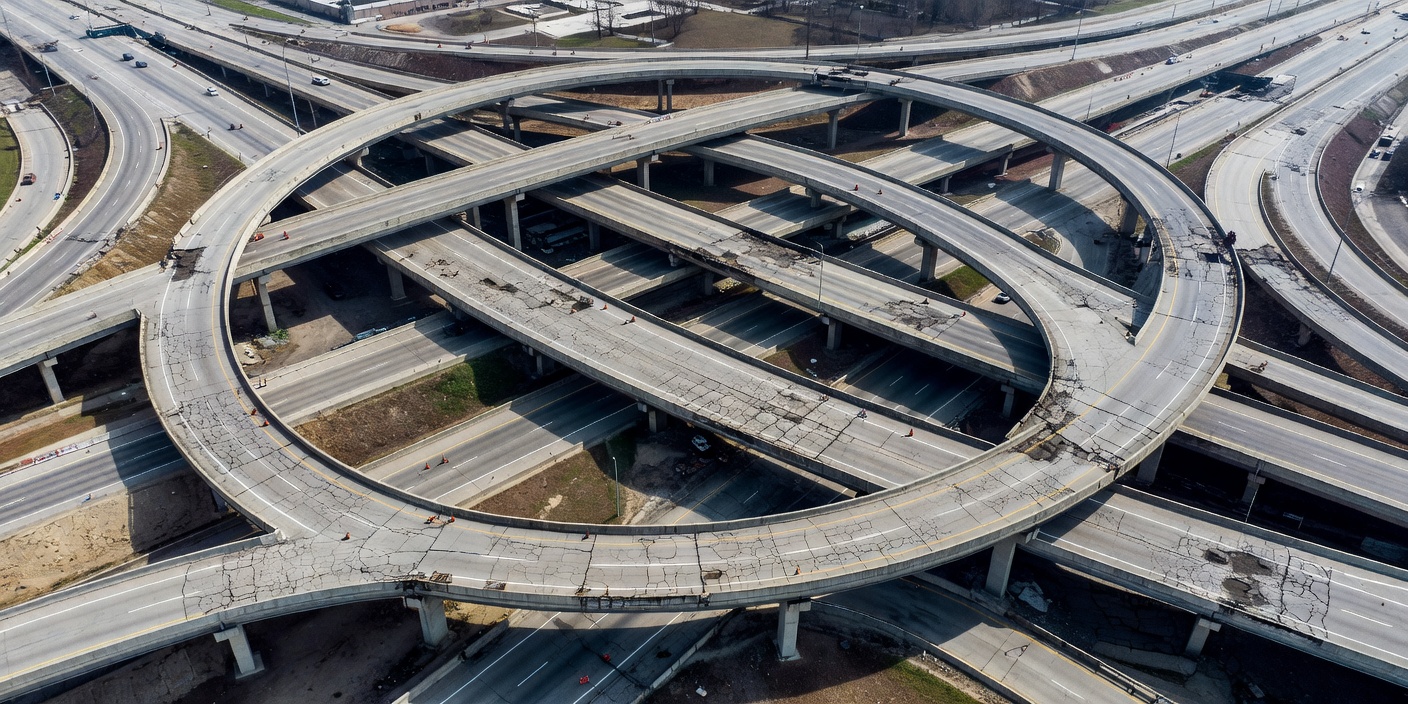
When we look at the vast, interconnected arterial routes crisscrossing Europe, we don't just see asphalt and concrete. We see a living, breathing entity that requires constant, intelligent care. Road repair planning is arguably the most critical discipline in modern infrastructure management. It is an intricate puzzle where engineering thresholds, traffic flows, seasonal weather variations, and budgetary constraints must align perfectly.
Preventive Versus Reactive Maintenance
We are absolute advocates for the preventive maintenance philosophy. The old adage of "if it isn't broken, don't fix it" has no place in pavement engineering. Once a road surface begins to show visible signs of failure—such as deep alligator cracking or rutting—the underlying base layers are often already compromised.
Reactive maintenance—filling potholes as they appear or conducting emergency deep-depth patching—is highly disruptive to traffic and exponentially more resource-intensive. Instead, we champion interventions implemented while the pavement is still in good condition. These include:
- Crack Sealing: Preventing water ingress before freeze-thaw cycles can expand minor fissures.
- Micro-surfacing: Applying a thin, protective layer of polymer-modified asphalt emulsion to restore friction and seal the surface.
- Fog Seals: Rejuvenating aging, oxidized asphalt to extend its flexible lifespan.
The Cost Curve
Every year a road goes without necessary preventive treatment, the eventual cost of rehabilitation multiplies. Catching deterioration in the top layer saves the structural integrity of the deep base layers.
Prioritization and Decision Criteria
How do we decide which roads are repaired first? It is thrilling to see how modern data transforms this process. Planners do not merely guess; they utilize complex Pavement Management Systems (PMS). These systems ingest data from condition surveys to calculate a Pavement Condition Index (PCI) for every network segment.
Selection criteria heavily depend on:
- Traffic Volume & Load: Routes carrying heavy freight (HGVs) degrade faster due to high axle loads and receive higher priority to prevent structural collapse.
- Strategic Importance: Arteries connecting major logistical hubs or border crossings are vital to the European economy.
- Deterioration Rate: Sections showing rapid localized degradation are flagged for immediate diagnostic checks.
Environmental Considerations
We take immense pride in the shift toward environmentally responsible repair planning. Modern planning heavily factors in the use of Recycled Asphalt Pavement (RAP). When a surface is milled off during a resurfacing project, that material is no longer viewed as waste. It is a valuable resource that can be reprocessed and incorporated into new base layers.
Furthermore, planning must account for traffic management emissions. Poorly planned, prolonged roadworks cause immense idling-vehicle emissions. By coordinating repairs—for instance, fixing drainage infrastructure at the same time as surface repaving—planners drastically reduce the overall carbon footprint of the maintenance cycle.
Conclusion
Road repair planning is an ongoing commitment to the future. It requires foresight, an embrace of new material technologies, and a deep respect for the communities and economies that rely on these routes. We believe that when planning is executed with precision and enthusiasm, the resulting infrastructure speaks for itself.