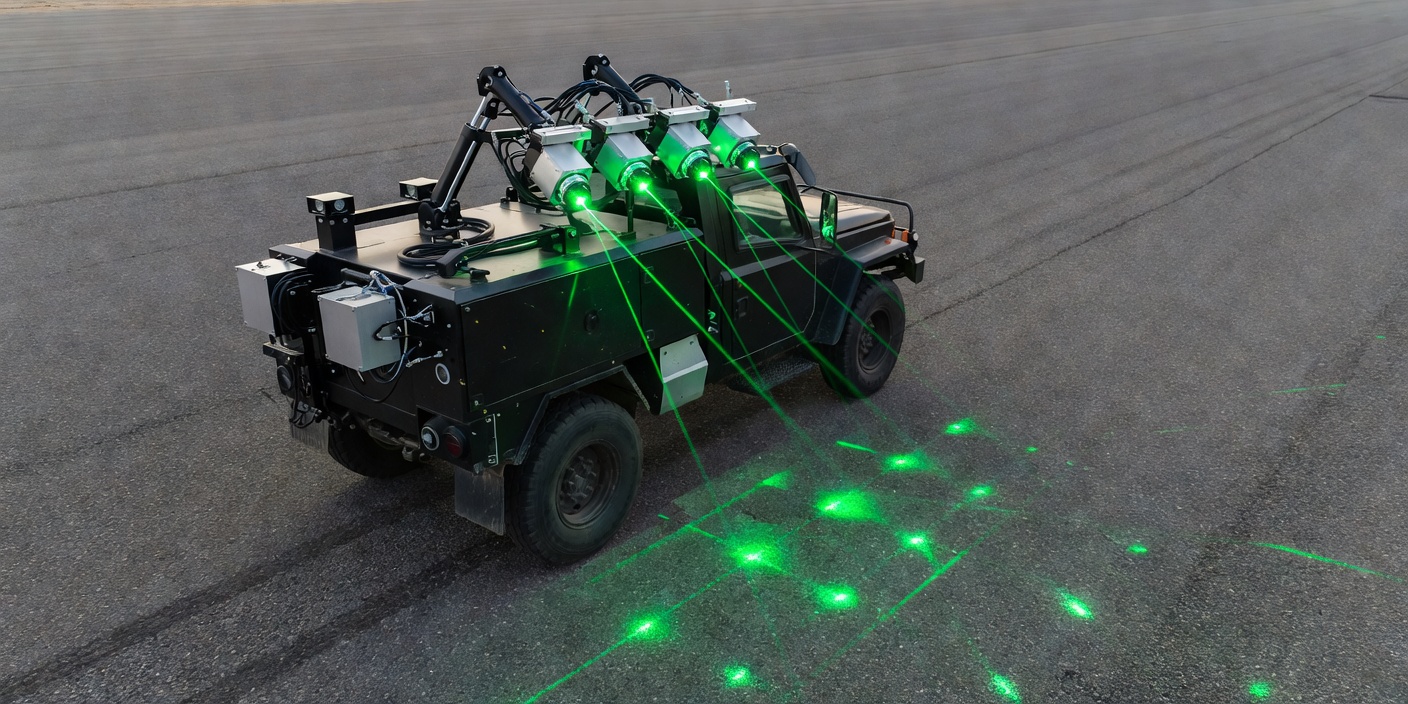
Gone are the days when a road inspector would simply drive along a route with a clipboard, noting down visible potholes. Today, evaluating the structural and surface integrity of European highways is a highly specialized, data-driven science. We are deeply fascinated by the array of non-destructive testing equipment used in pavement condition surveys. It is the crucial first step before any road repair planning can begin.
Surface Profiling: The IRI
The International Roughness Index (IRI) is the global standard for measuring how smooth a road is. Modern survey vehicles are equipped with sophisticated laser profilers mounted on their bumpers. As the vehicle travels at highway speeds, these lasers take thousands of measurements per second, mapping the exact longitudinal profile of the wheel paths.
A low IRI means a smooth ride, which translates to better fuel efficiency for vehicles and less dynamic loading on the pavement structure itself. We celebrate the precision this brings to maintenance budgeting.
Looking Beneath the Surface
Visible cracks are merely symptoms; the disease usually lies deeper. To understand the structural health without digging up the road, engineers utilize two remarkable tools:
- Ground-Penetrating Radar (GPR): This technology sends electromagnetic pulses into the pavement layers and records the echoes. It provides a continuous cross-section, revealing layer thicknesses, hidden moisture (which signals drainage infrastructure failure), and subsurface voids.
- Falling Weight Deflectometer (FWD): This incredible piece of machinery drops a heavy weight onto a load plate resting on the asphalt and measures the resulting deflection bowl using geophones. It tells us exactly how much load-bearing capacity the pavement has left.
Friction Logging
Safety relies on grip. Continuous Friction Measuring Equipment (CFME) wets the road ahead of a specialized test wheel, measuring the micro-texture and macro-texture to ensure adequate skid resistance under wet conditions.
Turning Data into Action
The sheer volume of data collected during these surveys is staggering. Specialized Pavement Management Systems (PMS) process these gigabytes of laser, radar, and visual data (using AI-driven crack recognition). By tracking the degradation curve over time, agencies can pinpoint the exact year a road segment will fail.
We are massive advocates for this systematic approach. It removes the guesswork, ensures that European standards are upheld, and ensures that tax revenues are deployed with surgical precision to keep the network safe.